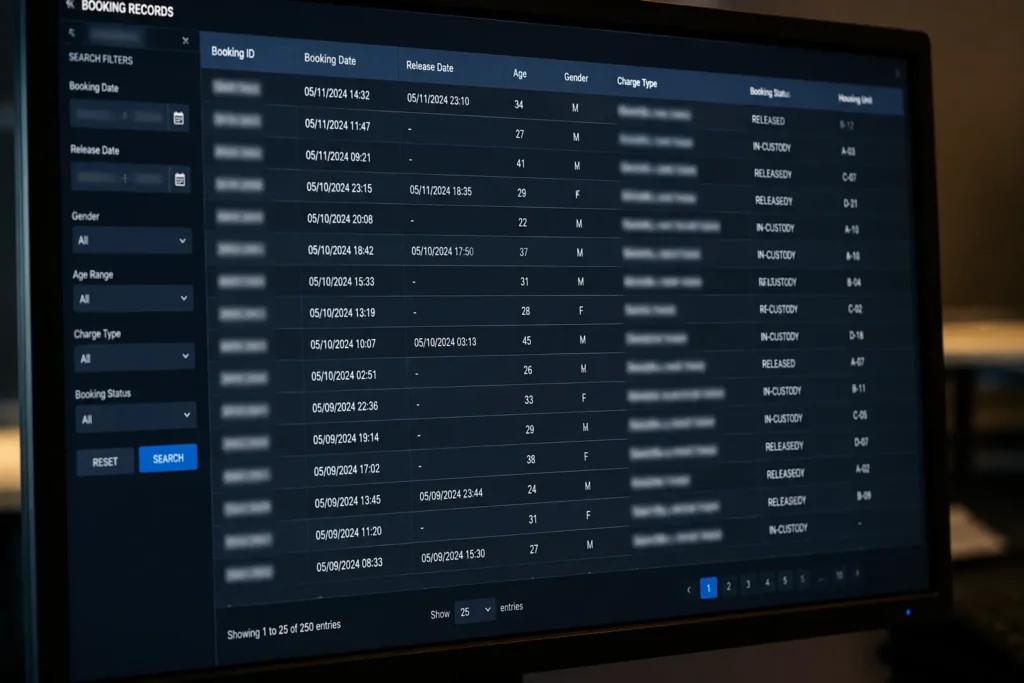
A past conviction can follow someone into every job application, every apartment search, and every background check, long after they have paid their debt. Learning how to expunge record in Ohio is the single most effective way to change that, and the process became significantly more accessible after a major 2023 law reform. This guide walks through exactly how to expunge a record in 2026, including real costs, real waiting periods, and what actually gets destroyed versus what only gets hidden. Also check inmate records and rosters.
Expungement vs Sealing: The Difference Almost Nobody Explains Clearly
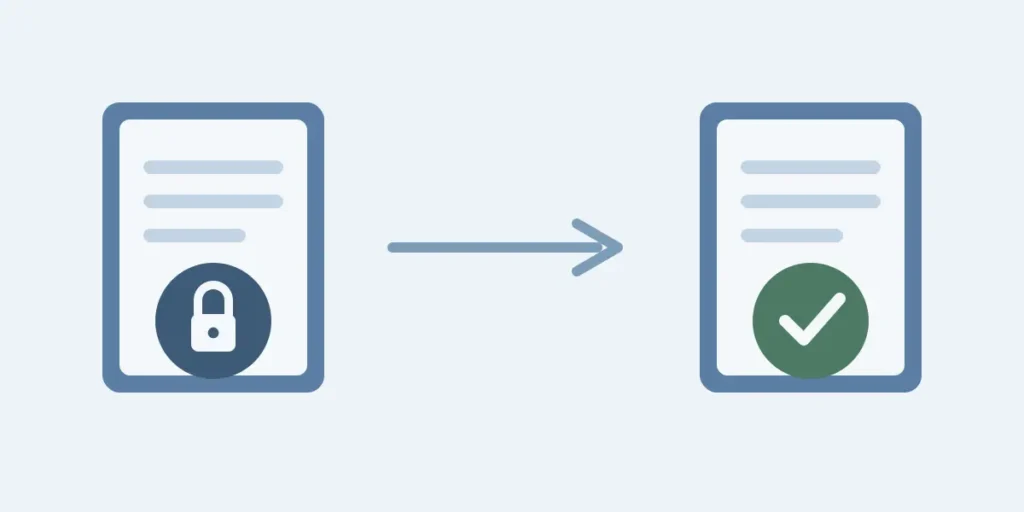
Before learning how to expunge record in Ohio, it is critical to understand that expungement and sealing are legally different remedies, even though most people use the words interchangeably. Sealing hides a record from public view, but the record still physically exists and remains accessible to courts, law enforcement, and certain employers such as schools or healthcare licensing boards. Until Ohio passed Senate Bill 288 in 2023, true expungement of adult conviction records was not even legally possible in the state. Sealing was the only option available.
Sealing vs Expungement in Ohio
Two different remedies, two different outcomes
Who Qualifies: Eligibility Rules for 2026 for Expunge Record in Ohio
Understanding how to expunge a record in Ohio starts with knowing whether your specific offense even qualifies. SB 288 removed the old system that only allowed people with a small number of total convictions to apply. Under the current law, a person may seek sealing or expungement of an unlimited number of qualifying convictions, as long as each individual offense falls outside a prohibited category and the required waiting period has passed. Sexually oriented offenses and offenses against children under 13 remain permanently ineligible, regardless of how much time has passed.
How Long Does It Take For How to Expunge Record in Ohio
This is one of the most searched questions on the topic, and the honest answer depends on two separate clocks. The first clock is the mandatory waiting period, which begins at final discharge, meaning full completion of any incarceration, probation, and payment of court costs, not the original arrest date. The second clock is the court processing time once you file. Courts typically need around two months to complete the required investigation, longer if the prosecuting attorney formally opposes the application.
| Offense Category | Waiting Period for Sealing | Waiting Period for Expungement |
|---|---|---|
| Minor Misdemeanor | 6 months | 6 months |
| Standard Misdemeanor | 1 year | Longer, case dependent |
| Lower Level Felony | 1 to 3 years | Several years, case dependent |
| Higher Level Felony | Longer, case dependent | Up to 11 years after discharge |
How to Expunge a Misdemeanor in Ohio Step by Step
The first step is confirming eligibility under Ohio Revised Code Section 2953.32, since not every misdemeanor qualifies even after the waiting period passes. The second step is filing an application with the Court of Common Pleas or the municipal court that handled the original case. The third step is paying the filing fee, and the fourth step is attending a hearing if the court schedules one, which becomes more likely if the prosecutor objects to the application.

How Much Does It Cost For How to Expunge Record in Ohio
Cost is the second most common concern after timeline. Filing a petition to seal or expunge record in Ohio generally requires a fifty dollar non refundable filing fee paid directly to the clerk of courts. This fee applies regardless of whether the application is ultimately approved. Beyond the filing fee, additional costs typically come from hiring an attorney, which is optional but common for more complicated cases, particularly ones where the prosecutor is expected to object.
Automatic Sealing: A Change Most People Do Not Know About
One of the most significant parts of SB 288 is a provision for automatic sealing of certain eligible offenses. Under this system, qualifying records can be sealed without the person ever filing a petition or paying the standard fee, handled directly by the court and the Bureau of Criminal Investigation. However, implementation has been rolling out gradually since 2023, and not every court is fully operational with the automatic process yet. If your record appears eligible but still shows up in searches, filing a standard petition under how to get record expunged in Ohio remains the reliable fallback option.
Conclusion
Knowing expunge record in Ohio can genuinely change someone’s future, whether that means qualifying for a new job, housing, or simply peace of mind. The process now offers two distinct paths, sealing and true expungement, each with its own waiting period, cost, and eligibility rules under the 2023 reform. Anyone unsure where their specific offense falls should start by confirming eligibility under Ohio Revised Code Section 2953.32 before filing.
Frequently Asked Questions
How long does it take to expunge record in Ohio?
Court processing typically takes around two months after filing, though this is separate from the mandatory waiting period, which can range from six months for minor misdemeanors up to eleven years for the most serious eligible felonies.
How much does it cost to get records expunged in Ohio?
The standard filing fee is fifty dollars, non refundable, paid to the clerk of courts. Attorney fees are additional and optional, depending on case complexity.
How to expunge a misdemeanor in Ohio if the waiting period already passed?
File a petition with the court that handled the original case under Ohio Revised Code Section 2953.32, pay the filing fee, and attend a hearing if one is scheduled.
Is every offense eligible for expungement in Ohio?
No. Sexually oriented offenses and offenses against children under 13 remain permanently ineligible for both sealing and expungement, regardless of how much time has passed since discharge.