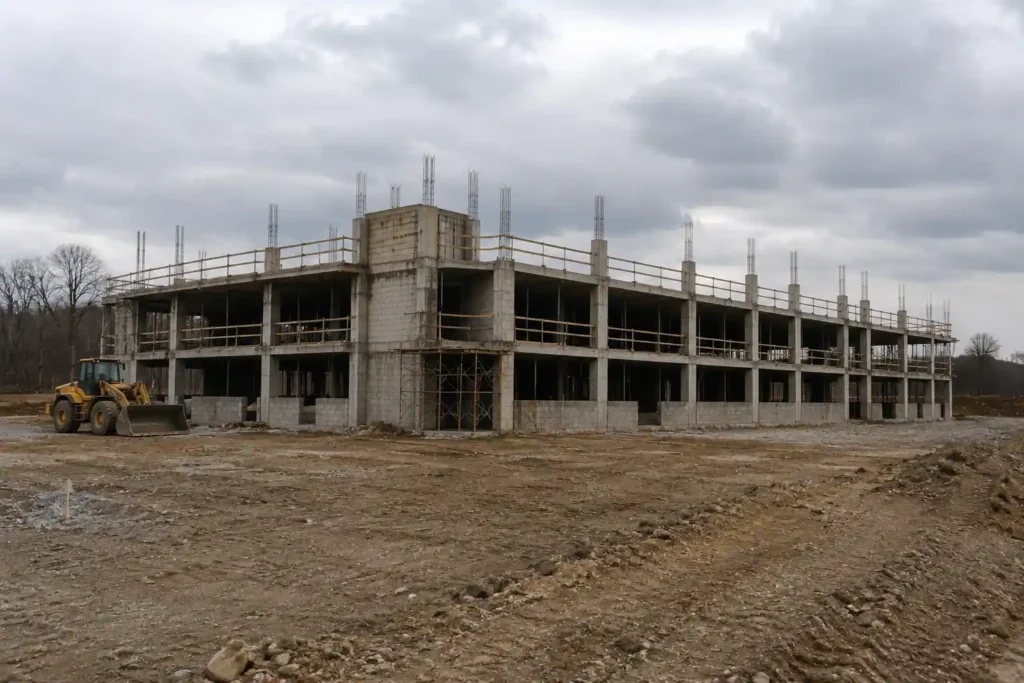
Lucas County spent nearly two years and roughly $18.75 million planning a brand-new jail. Then, in July 2025, commissioners walked away from that plan entirely. A year later, the county is deep into a very different project: repairing the Lucas County Corrections Center, the downtown Toledo facility that’s been in continuous use since 1977, rather than replacing it.
This is one of the more unusual jail stories in Ohio right now, because it runs against the typical pattern. Most counties facing an aging jail, such as Lorain, Cuyahoga, and others are moving toward new construction. Lucas County Jail Repairs looked at a $300 million new jail price tag, decided it couldn’t justify that cost, and pivoted to fixing what it already has. Here’s how that decision came together, what the repair project actually involves, and where things stand heading into the second half of 2026.
The DLZ Report: What’s Actually Being Fixed in the Lucas County Jail Repairs
To figure out what a renovation would take, the county hired DLZ Corporation, a Columbus-based engineering firm with jail experience at facilities including the Cuyahoga and Franklin county jails. DLZ was brought on to complete a full facility condition assessment of the Lucas County Corrections Center’s roughly 220,000 square feet, with a specific goal written into the contract.
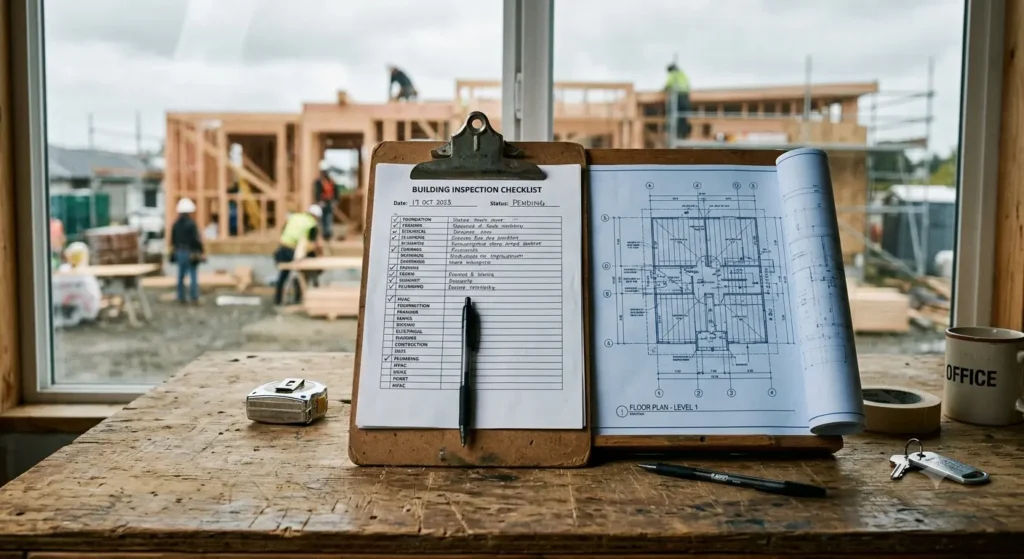
DLZ’s report, delivered in stages through spring 2026, focused specifically on life and safety issues rather than broader modernization. Commissioner Lisa Sobecki has been clear that this isn’t cosmetic work, it’s the infrastructure that keeps a jail legally operable. The repair scope includes roof replacement, correcting water infiltration through the building’s foundation, replacing locks and security systems throughout the housing units, window replacement, and plumbing upgrades.
What the Lucas County Jail Repairs Will Cost
The estimate has moved as the assessment progressed, which is worth understanding rather than treating as a contradiction. DLZ’s initial figures in early May 2026 put essential repairs at $63 to $73 million, later refined to a broader range up to about $77.7 million. By the time commissioners began soliciting contractor bids in mid-May, the working figure being used publicly for the renovation plan was approximately $80 million, a number that reflects the fuller scope of work rather than a cost overrun.
What’s Already Underway For Lucas County Jail Repairs
Unlike a lot of plan announced government stories, this project already has visible work happening now. The roof project went out for design bids at $1.4 million in January 2026, and by mid-2026 the county confirmed work was underway on both the roof replacement and correcting water infiltration into the basement level. Sobecki has described the approach as sequential: stop the water intrusion first, then move into the next phases of the assessment’s recommendations.
Cost Comparison
The $8 Million Question Nobody’s Fully Answered Yet
Here’s a detail most coverage of this story has left out entirely: Lucas County originally received a state grant, roughly $8 million, earmarked for the new jail project that’s now cancelled. As of mid-2026, county leaders are in ongoing discussions with the state to redirect that grant funding toward the Lucas County jail repairs instead. If that redirection is approved, it would meaningfully offset the $80 million repair cost without touching local tax dollars. If it isn’t approved, the county may need to find that funding elsewhere. This is a genuinely unresolved piece of the story worth tracking, and it’s one your readers won’t find spelled out clearly on other Ohio jail-information sites.
How Lucas County’s Approach Compares to Other Ohio Counties
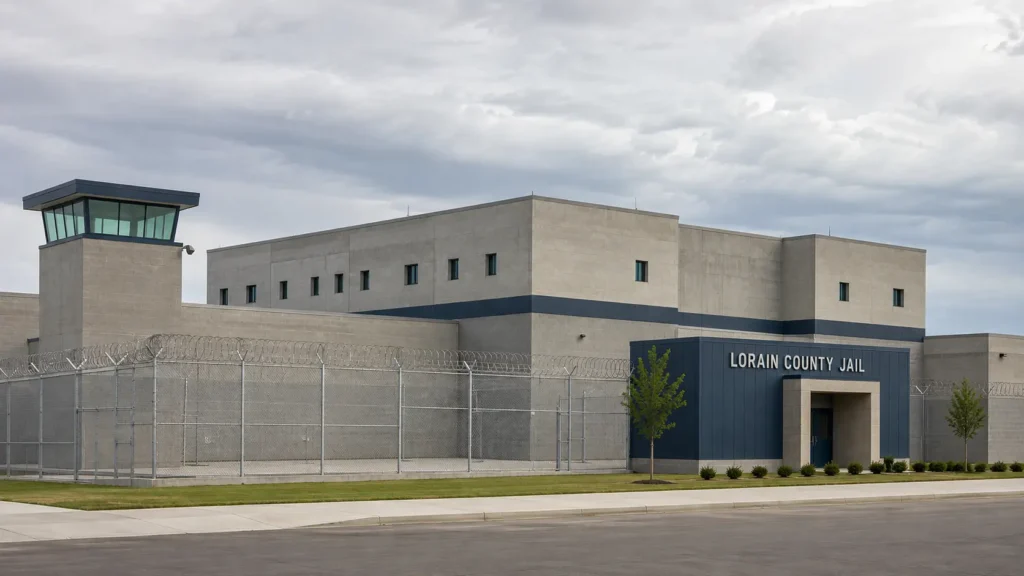
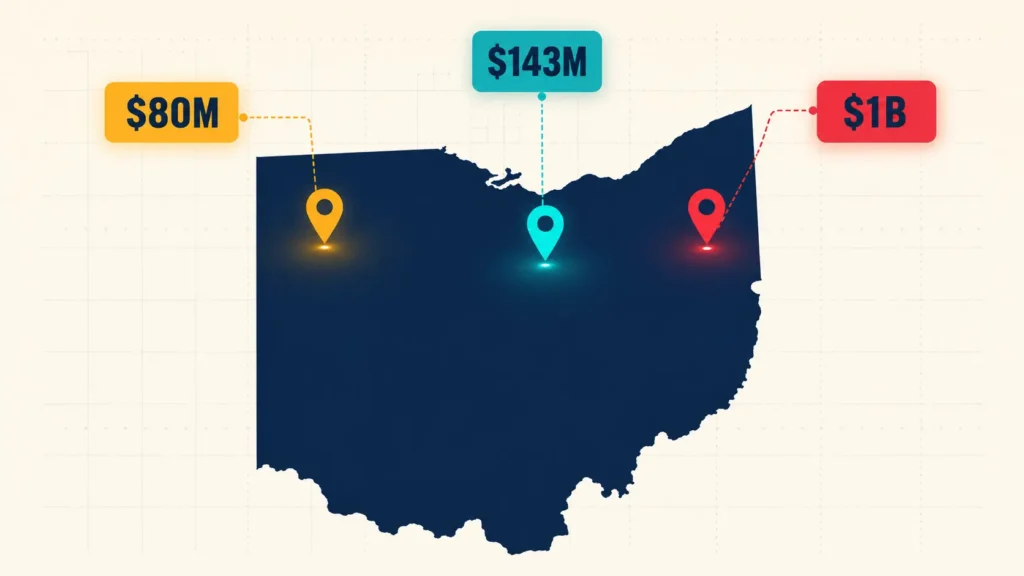
Lucas County’s decision stands out next to what neighboring counties are doing. Lorain County chose new construction, settling on a 540-bed design carrying a price tag near $143 million. Cuyahoga County is pursuing a new jail estimated near $1 billion, currently facing its own legal challenges over funding approval. Lucas County is the clearest example in the state right now of a county choosing renovation over replacement, largely because the cost gap between the two options was too large to bridge with available funding tools.
What to Watch Next For Lucas County Jail Repairs
The clearest open threads: whether the state approves redirecting the $8 million grant toward renovation, which contractors are ultimately awarded the remaining repair work beyond the roof and foundation phases, and whether the “no new levy” commitment holds as the full renovation scope becomes clearer. It’s also worth watching whether Sheriff Navarre’s office raises any new life safety findings once crews get further into the building, DLZ’s estimate is explicitly described as a starting point, not a final number.
Frequently Asked Questions
How much will the Lucas County jail repairs cost?
Current estimates put the Lucas County jail at approximately $80 million, based on a facility condition assessment from DLZ Corporation. Earlier figures ranged from $63 to $77.7 million as the assessment scope was refined.
Is Lucas County building a new jail?
No. Commissioners cancelled plans for a new jail in July 2025 after cost estimates reached around $300 million. The county is instead renovating the existing Corrections Center, which opened in 1977.
Will Lucas County residents pay higher taxes for the jail repairs?
County officials, including Commissioner Pete Gerken, have said the repair costs are intended to be covered without a new levy, fee increase, or special assessment, though the full funding plan is still being finalized.
How long will the repaired Lucas County jail last?
The repair plan is designed to extend the building’s usable life by approximately 20 to 30 years, according to the scope outlined in DLZ’s engineering contract with the county.
Conclusion
Lucas County Jail Repairs plan marks the end of a years-long debate over building a new facility, with commissioners now prioritizing life-safety fixes over a $300 million rebuild. As bids move forward, residents can expect roof, plumbing, and security upgrades to begin rolling out through 2026 and beyond.